About Yojimbo
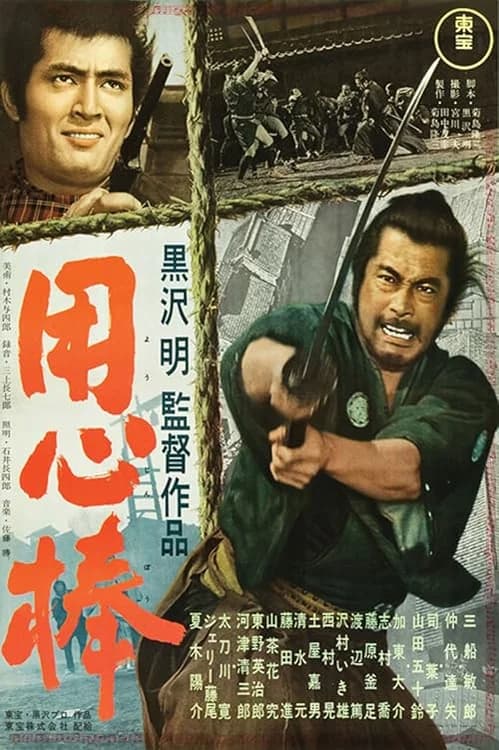
Akira Kurosawa's 1961 masterpiece Yojimbo stands as one of the most influential action films ever made, blending razor-sharp storytelling with groundbreaking cinematic technique. The film follows a nameless, masterless samurai (ronin) who wanders into a town torn apart by two warring criminal factions. Seeing an opportunity in the chaos, the cunning warrior devises a brilliant strategy to play both sides against each other, systematically dismantling their power structures while appearing to serve each gang's interests.
Toshiro Mifune delivers one of his most iconic performances as the laconic, morally ambiguous ronin, embodying the character's world-weary wisdom and lethal capability with unparalleled physicality. His subtle gestures and commanding screen presence create a protagonist who is simultaneously heroic, cynical, and utterly compelling. Kurosawa's direction is masterful, employing dynamic framing, meticulous choreography, and atmospheric cinematography that transforms the dusty town into a character itself.
Yojimbo's genius lies in its perfect balance of thrilling action, dark humor, and social commentary. The film's narrative structure—where a single clever individual manipulates larger forces—has inspired countless Westerns and modern action films, most notably Sergio Leone's A Fistful of Dollars. Viewers should watch Yojimbo not only for its historical significance but for its timeless entertainment value. The crisp black-and-white visuals, memorable score, and tightly constructed plot create an experience that remains fresh and engaging decades after its release. This is essential viewing for anyone interested in samurai cinema, classic filmmaking, or simply a brilliantly told story of strategy and survival.
Toshiro Mifune delivers one of his most iconic performances as the laconic, morally ambiguous ronin, embodying the character's world-weary wisdom and lethal capability with unparalleled physicality. His subtle gestures and commanding screen presence create a protagonist who is simultaneously heroic, cynical, and utterly compelling. Kurosawa's direction is masterful, employing dynamic framing, meticulous choreography, and atmospheric cinematography that transforms the dusty town into a character itself.
Yojimbo's genius lies in its perfect balance of thrilling action, dark humor, and social commentary. The film's narrative structure—where a single clever individual manipulates larger forces—has inspired countless Westerns and modern action films, most notably Sergio Leone's A Fistful of Dollars. Viewers should watch Yojimbo not only for its historical significance but for its timeless entertainment value. The crisp black-and-white visuals, memorable score, and tightly constructed plot create an experience that remains fresh and engaging decades after its release. This is essential viewing for anyone interested in samurai cinema, classic filmmaking, or simply a brilliantly told story of strategy and survival.